
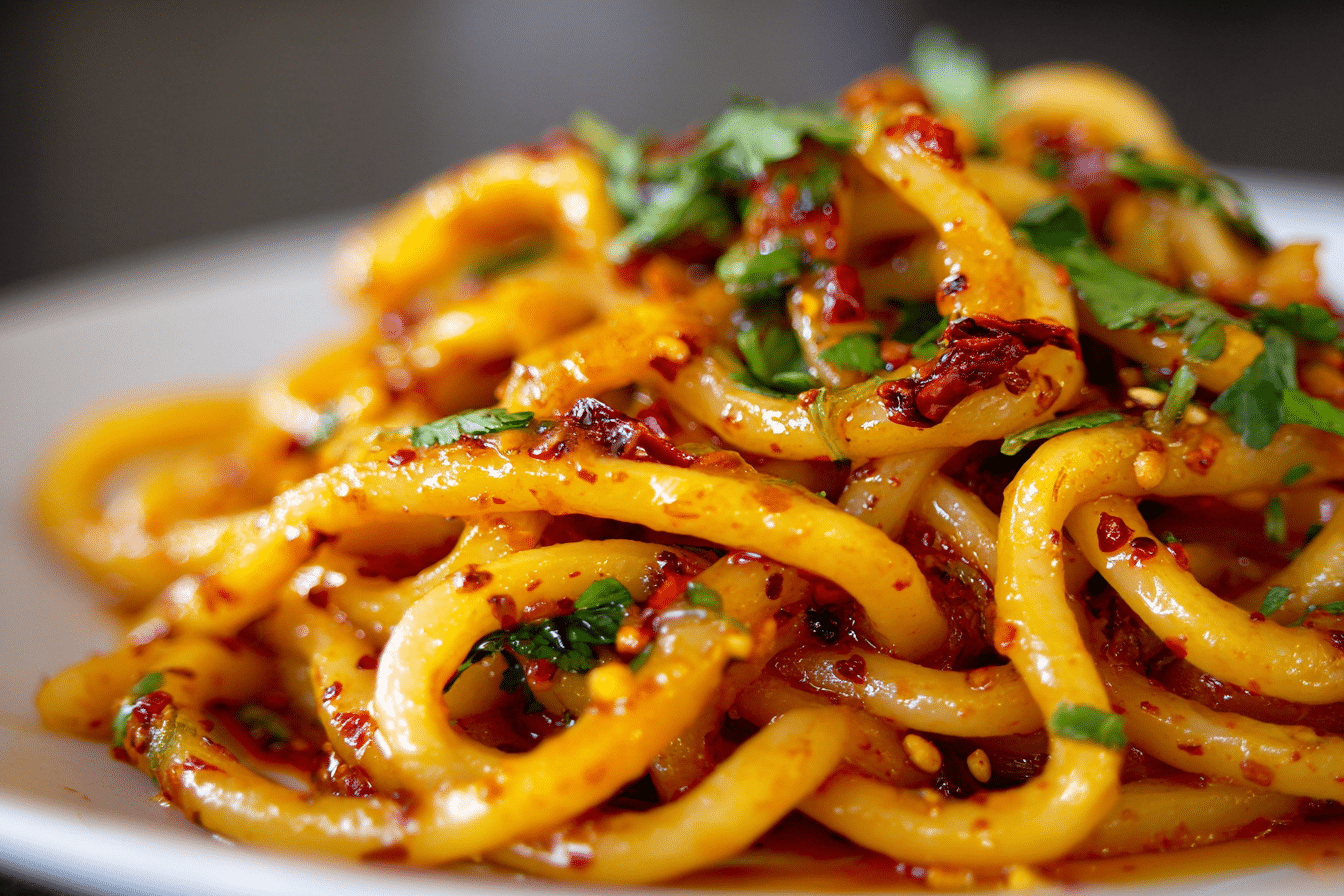
Potato noodles are a uniquely textured and satisfying dish rooted in Asian culinary traditions, particularly Korean and Chinese cuisines. Best known in Korea as dangmyeon — the clear, glassy noodles used in japchae — or in some Chinese regions as handmade potato starch noodles, they bring a delightful chewiness that’s unlike any wheat-based pasta.
These noodles are naturally gluten-free, made from either mashed potatoes or pure potato starch. Their bouncy, elastic texture makes them a standout in stir-fries, soups, or simply tossed with a flavorful sauce. Whether you’re exploring gluten-free alternatives or just looking for a new cooking project, making potato noodles at home is a deeply rewarding experience.
Ingredients Overview
There are two main types of potato noodles: mashed potato noodles and potato starch noodles. Each type requires slightly different ingredients and techniques.
For Mashed Potato Noodles
These are made by combining cooked, mashed potatoes with flour to form a dough that’s then rolled out and cut into noodles.
Main Ingredients:
-
Russet or Yukon Gold potatoes: These starchy varieties are ideal because they yield a smooth, pliable dough.
-
All-purpose flour or gluten-free flour blend: Adds structure. For gluten-free versions, rice flour or tapioca starch can be used.
-
Salt: A small amount boosts flavor.
Optional Add-ins:
-
A drizzle of sesame oil for aroma.
-
Chopped herbs or garlic powder for seasoning the dough.
For Potato Starch Noodles (Glass Noodles)
These are made entirely from potato starch and water, often formed into clear, gelatinous noodles.
Main Ingredients:
-
Potato starch: Pure starch extracted from potatoes, typically found in Asian grocery stores.
-
Boiling water: Activates the starch and forms the dough.
-
Salt: Optional, for taste.
Ingredient Tips:
-
Texture control: A higher ratio of starch to water makes firmer, chewier noodles.
-
Don’t substitute cornstarch — it behaves differently when heated and won’t produce the same elasticity.
Step-by-Step Instructions
Below are instructions for both versions. Choose based on the texture and use you prefer.
Version 1: Mashed Potato Noodles
1. Boil and Mash the Potatoes
-
Peel and dice 2 large russet potatoes.
-
Boil in salted water until fork-tender (about 15–20 minutes).
-
Drain and mash until smooth. Let cool slightly.
2. Make the Dough
-
To 2 cups of mashed potato, add ¾ to 1 cup of flour gradually.
-
Add ½ tsp salt.
-
Knead until a smooth, soft dough forms — not sticky but still pliable.
Chef Tip: Avoid overworking the dough to keep noodles tender.
3. Roll and Cut
-
Lightly flour a surface and roll the dough to ¼-inch thickness.
-
Cut into thin strips using a knife or pizza cutter.
-
Dust with flour to prevent sticking.
4. Cook the Noodles
-
Bring a large pot of salted water to a gentle boil.
-
Cook the noodles in batches for 2–3 minutes until they float and turn slightly translucent.
-
Transfer to cold water to stop cooking, then drain.
Version 2: Potato Starch Noodles (Glass Noodles)
1. Make the Dough
-
In a bowl, mix 1 cup potato starch with ½ tsp salt.
-
Slowly pour in ¾ cup boiling water, stirring continuously.
-
Once cool enough to handle, knead into a smooth, elastic dough.
2. Shape the Noodles
Option A: Extruded (for soft dough)
-
Use a piping bag with a wide tip to pipe long strands into simmering water.
Option B: Rolled and Cut
-
Roll the dough between sheets of parchment paper.
-
Slice into long thin ribbons.
3. Cook the Noodles
-
Drop noodles into boiling water.
-
Cook until they become translucent and float (2–3 minutes).
-
Immediately transfer to an ice bath.
-
Drain and toss with a little sesame oil to prevent sticking.
Tips, Variations & Substitutions
Tips for Success
-
Use starchy potatoes for mashed versions to create a dough that binds well.
-
Potato starch must be mixed with boiling water to activate its binding ability.
-
Dust cut noodles with starch to avoid sticking before cooking.
Variations
-
Add spinach or beet juice to the dough for natural color.
-
Use the noodles in Korean japchae (stir-fry with veggies and soy sauce) or Chinese hotpot.
-
Toss cooked noodles with chili oil, scallions, and soy sauce for a quick dish.
Substitutions
-
For gluten-free flour: Use a mix of rice flour and tapioca starch for chewiness.
-
No potato starch? Try sweet potato starch (common in Korean markets), which creates similar translucent noodles.
 Serving Ideas & Occasions
Potato noodles are a canvas for all kinds of flavors:
-
In Stir-Fries: Cooked noodles pair beautifully with sautéed vegetables, garlic, soy sauce, and sesame oil.
-
In Soup: Add them to rich broths with mushrooms, tofu, or shredded chicken.
-
As a Cold Noodle Dish: Toss with sesame dressing, julienned cucumbers, and crushed peanuts for a refreshing summer bowl.
Perfect for:
-
Weeknight dinners
-
Gluten-free meal planning
-
Potluck dishes (especially stir-fries or noodle salads)
-
Cozy soups in cold weather
Nutritional & Health Notes
Potato noodles are:
-
Gluten-free (if made with potato starch or GF flour)
-
Lower in protein compared to wheat noodles
-
Easily digestible and often gentler on the stomach
To make them more balanced:
-
Add a protein source like tofu, eggs, or chicken
-
Include fiber-rich vegetables
-
Use low-sodium sauces and broths
Because they are mostly carbohydrate-based, pairing them with proteins and fats improves satiety and nutrient diversity.
FAQs
Q1: Are potato noodles the same as sweet potato noodles?
A1: Not exactly. Sweet potato noodles are typically made from sweet potato starch, not mashed sweet potato. They’re similar in texture and appearance, but the starch source and flavor differ slightly.
Q2: Can I freeze homemade potato noodles?
A2: Yes, uncooked potato noodles can be frozen on a parchment-lined tray, then transferred to a bag. Cook directly from frozen — do not thaw first.
Q3: Why are my potato starch noodles breaking?
A3: The dough may be too dry or wasn’t mixed with boiling water properly. Ensure it’s smooth and elastic before shaping.
Q4: Are potato noodles healthier than wheat noodles?
A4: They’re lower in protein and fiber but gluten-free and easier to digest. Healthiness depends on the overall dish and ingredients used.
Q5: How do I stop the noodles from sticking together?
A5: After cooking, immediately rinse with cold water and toss with a small amount of oil. This is especially important for starch-based noodles.
Q6: Can I use leftover mashed potatoes?
A6: Yes, but avoid using overly buttery or creamy mashed potatoes, which can make the dough too soft. Adjust the flour to balance moisture.
Q7: What’s the best sauce for potato noodles?
A7: Light soy-based sauces, garlic butter, or sesame chili oil all work well. Because the noodles have a neutral flavor, they adapt easily to many sauces.
PrintHomemade Potato Noodles – A Chewy, Comforting Gluten-Free Delight

Homemade potato noodles made from mashed potatoes or potato starch are chewy, satisfying, and naturally gluten-free. Perfect for stir-fries, soups, or cold noodle dishes.
- Prep Time: 30 minutes
- Cook Time: 10 minutes
- Total Time: 40 minutes
- Yield: 2–3 servings 1x
Ingredients
-
2 large russet potatoes, peeled and diced
-
¾ to 1 cup all-purpose or gluten-free flour
-
½ tsp salt
-
Optional: sesame oil for flavor
Instructions
-
Boil and mash the potatoes. Let cool.
-
Mix in flour and salt. Knead into a soft dough.
-
Roll out to ¼ inch thickness and cut into noodles.
-
Boil in salted water for 2–3 minutes until they float.
-
Rinse in cold water and serve.
Notes
To store, dust uncooked noodles with flour and refrigerate for up to 2 days or freeze. Serve with stir-fried vegetables, broths, or chilled sauces.